
Royal Ascot Race Profiles: Group 1 Values and Prestige Markets
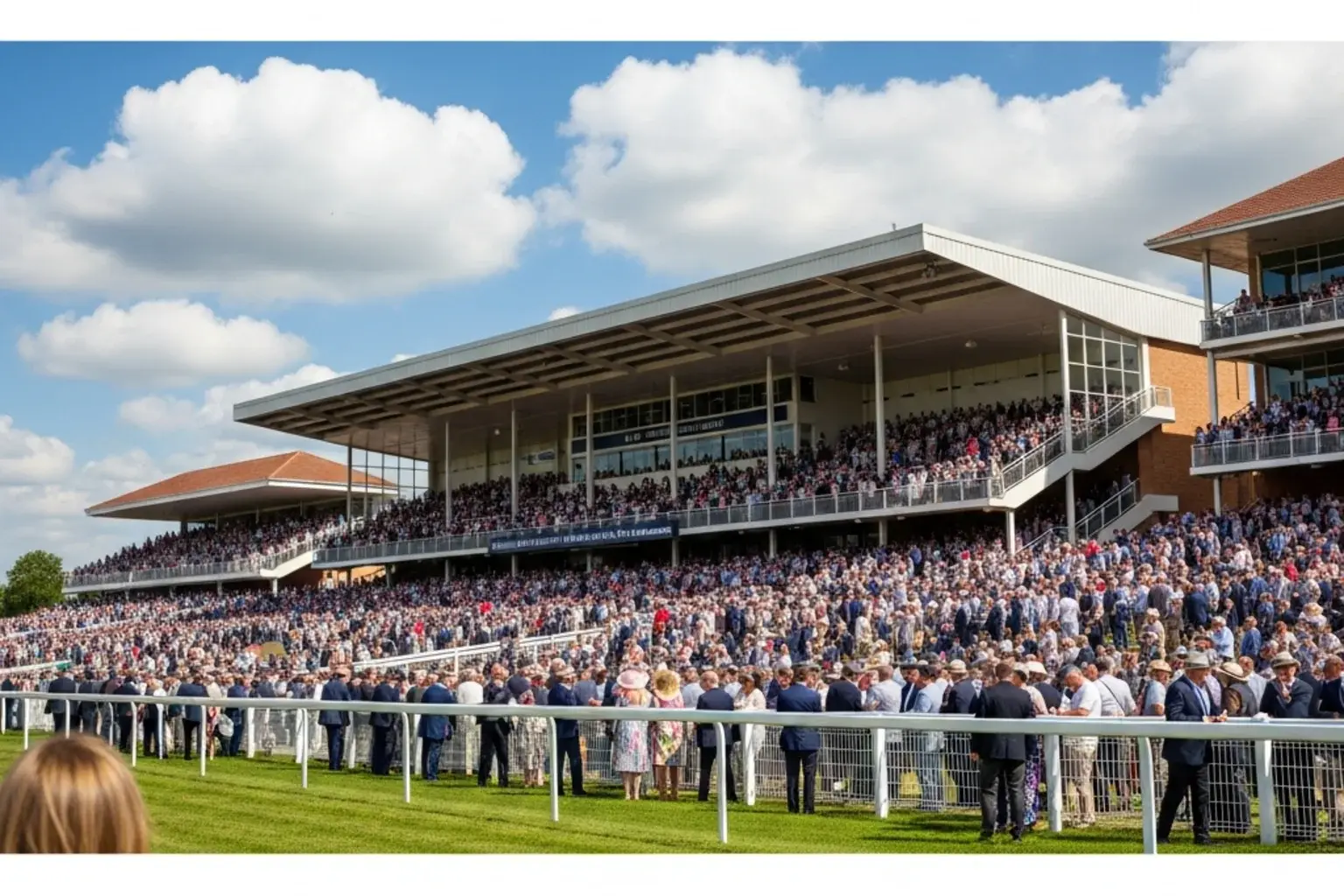
Royal Ascot averaged 54,984 spectators a day between 2022 and 2025 – more than a million people over those four summer Junes – and that scale is the first reason its betting vocabulary feels different from the rest of the flat season. The second reason is that the meeting is built around championship races at every distance, with international raiders, a Royal Procession, dress codes, enclosure tiers, and a clientele that includes both the casual once-a-year punter in a hired morning coat and the serious form student who has been studying Australian sprinters for six weeks.
I have written about Royal Ascot every June for years now, and the vocabulary lesson never gets shorter. New terms enter the conversation each season – new sprint sponsorships, new enclosure rules, new prize-money tiers – and the underlying race-classification language remains the bedrock that everything else gets built on. This article is the vocabulary you actually need to read a Royal Ascot racecard and understand what the betting market is responding to.
The Five-Day Shape and Which Day Owns Which Race
Royal Ascot runs Tuesday to Saturday in the third week of June, and each day has an established identity that the markets and the media follow. Tuesday is the opening day, headed by the Queen Anne Stakes – a Group 1 mile for older horses – and the St James’s Palace Stakes for three-year-old colts. Wednesday is Ladies’ Day in name only; the headline race is the Prince of Wales’s Stakes, a Group 1 over a mile and a quarter that is regularly the strongest race of the entire meeting. Thursday is Gold Cup Day, the headline being the Group 1 Gold Cup over two miles and four furlongs – a staying championship that has no equivalent at any other flat meeting in Europe.
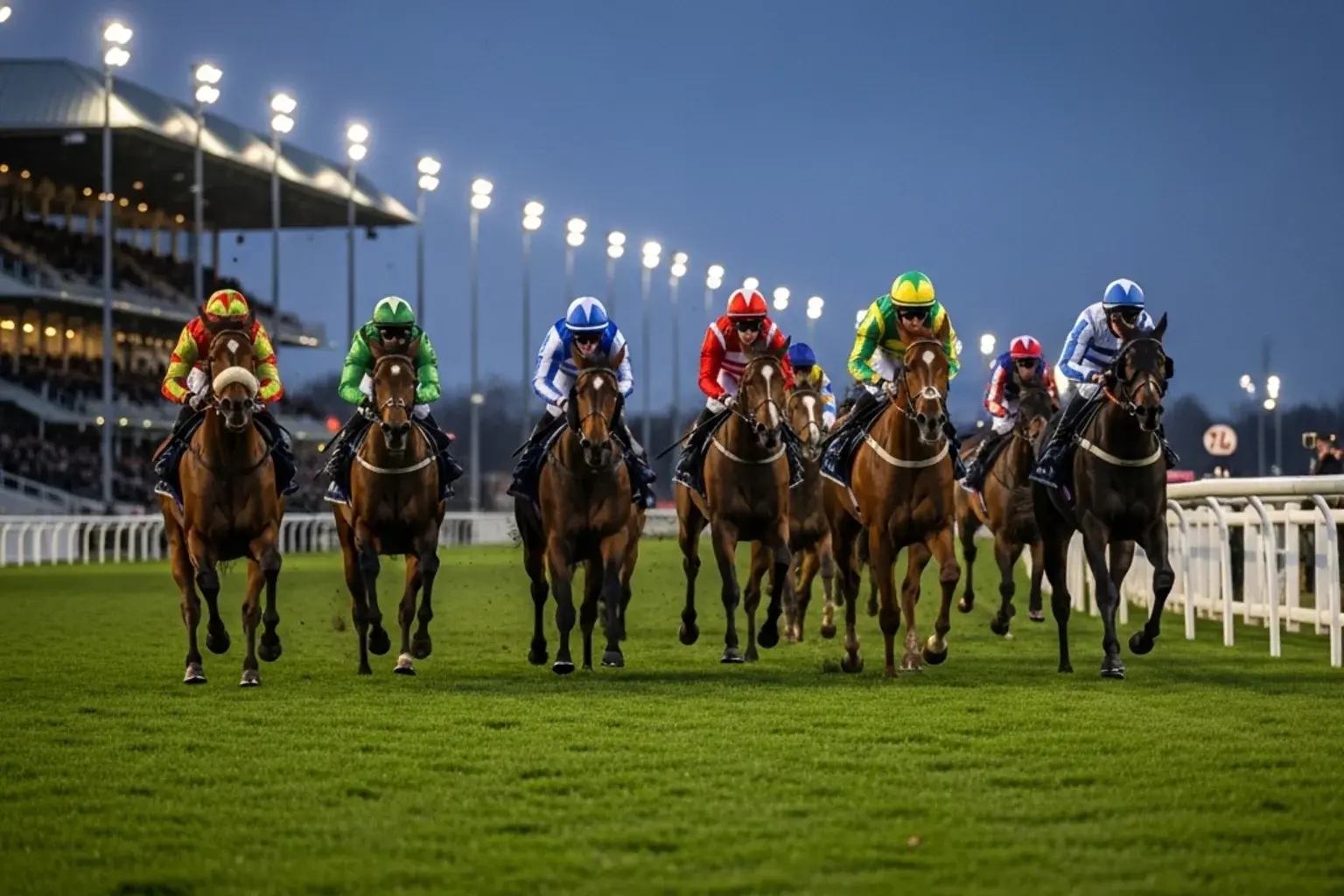
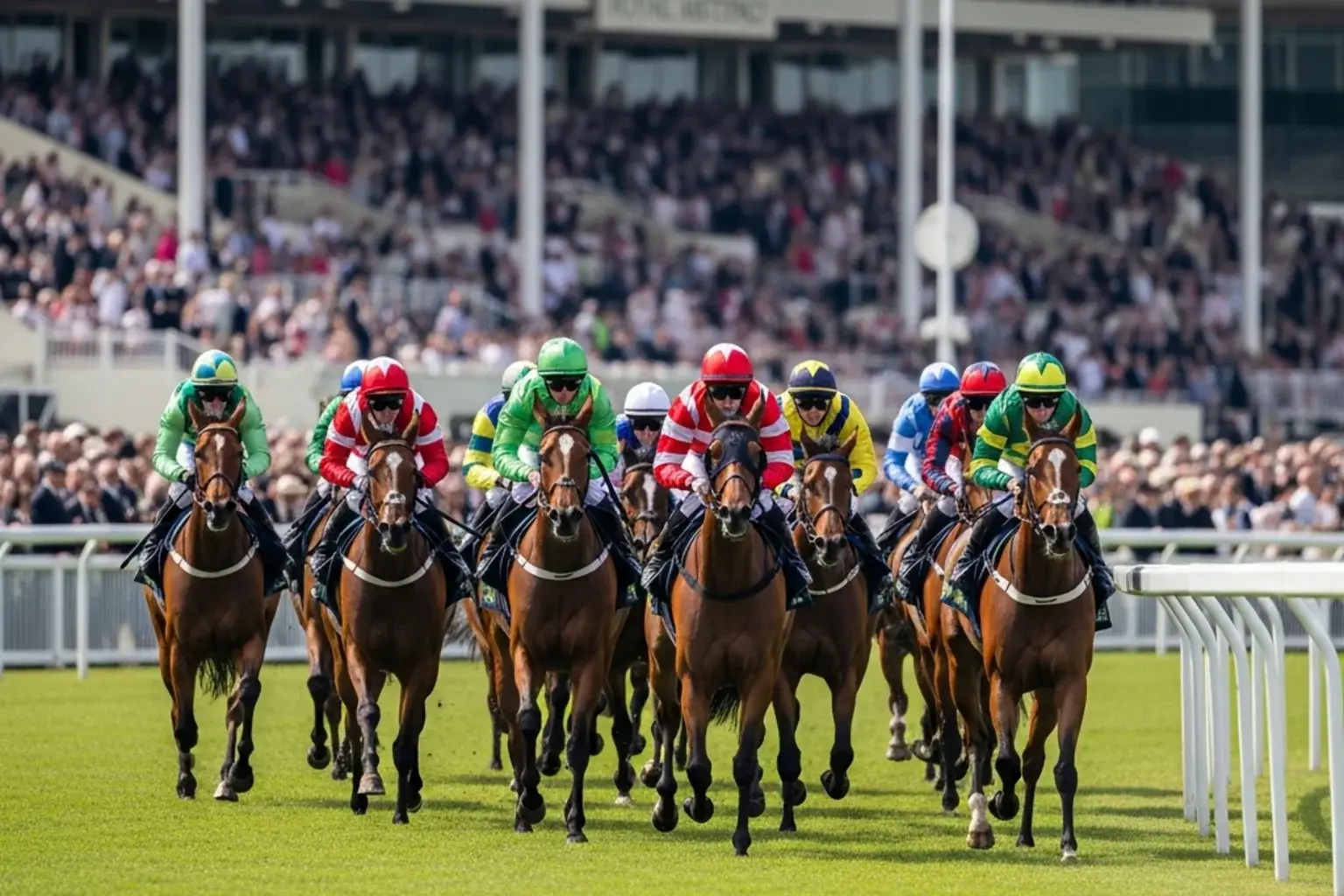
Friday’s headline is the Commonwealth Cup, a Group 1 sprint for three-year-olds over six furlongs, introduced in 2015 and now firmly part of the championship calendar. Saturday – for a long time the Diamond Jubilee Stakes was the closer, and remains the headline race – is the meeting’s busy public day, drawing the largest crowd and the deepest each-way liquidity across the card. The five days deliver eight Group 1 races, several Group 2 and 3 races, multiple Listed events, and a stack of competitive handicaps that fill the gaps between championships. There is no other meeting in Europe with that density of top-tier flat racing in a single week.
The signature feature that knits the five days together is the Royal Procession at 2pm before the first race. The procession itself is not a betting event, but it sets the rhythm: the meeting takes a half-hour pause from the morning’s preparation, the racecourse goes quiet, the carriages pass, and racing resumes with the day’s first major contest. The on-course bookmaker boards reopen immediately afterwards, and the markets for the first race tend to settle in the post-procession window. Anyone betting on-course at Royal Ascot learns to time their decisions around that pause.
Group, Listed and Handicap: The Classification Vocabulary
The race-classification vocabulary at Royal Ascot is the same Pattern system that runs across European flat racing, but the density of top-tier races makes Royal Ascot the best place to learn the distinctions. Group 1 is the highest classification – championship races contested by the best horses, with the heaviest prize money, no handicap weights, and conditions of entry that strip the field down to elite contenders. The eight Royal Ascot Group 1s are: Queen Anne, King Charles III (formerly the Queen’s Vase), St James’s Palace, Prince of Wales’s, Coronation, Gold Cup, Commonwealth Cup, and Diamond Jubilee. Each delivers a roll-call of historic winners and each carries serious black-type value for the winner’s breeding catalogue.
Group 2 races sit one tier below: still championship-class company, slightly easier conditions, slightly smaller prize pots. The Hardwicke Stakes on Saturday and the Queen Mary on Wednesday are the headline Group 2s of the meeting. Group 3 is the next tier down – strong open company but with conditions that allow somewhat weaker horses through. Listed races sit below Group 3 and represent the entry point into black-type breeding territory: a Listed win earns a horse a place in the catalogue with the small italicised mark that is worth real money at stud.
The handicap races at Royal Ascot – the Royal Hunt Cup, the Wokingham, the Britannia, the Buckingham Palace – are among the strongest handicaps run anywhere in the world. They carry conditions specific to each contest (age limits, sex restrictions, ratings caps) and attract fields of twenty-plus runners on most renewals. The handicap mark system applies as it does throughout British racing – each horse carries weight calibrated to its BHA rating – but the depth of class in a Royal Ascot handicap means a horse rated 90 can be drawn against horses rated 105 and the field below 95 will have been carefully balanced by the handicapper. The total prize money for British racing in 2025 was £153 million, with Royal Ascot alone contributing a substantial share – the Hunt Cup and Wokingham regularly run with six-figure prize funds, and the Group races are several times that.
The Signature Races and What Their Names Mean
Each Royal Ascot Group 1 has its own market identity worth knowing. The Queen Anne Stakes is the meeting’s opening Group 1 and is run as a straight mile on the Royal Hunt Cup course; the form line for milers comes through Queen Anne winners consistently, and a Queen Anne victory often springboards a horse into the Sussex Stakes at Goodwood. The St James’s Palace Stakes is the three-year-old mile championship – winners are typically Guineas form horses moving on to define the European miler division.
The Prince of Wales’s Stakes is the meeting’s mile-and-a-quarter Group 1 for older horses and is regularly described by trainers as the deepest single race of the year – the field combines French, Irish, and sometimes American challengers with the best of British, and the bookmakers price it more conservatively than any other Royal Ascot race because the upset risk is genuinely higher. The Gold Cup is the unique race: two miles and four furlongs of stamina, run on the round course, with a winners’ list that goes back nearly two centuries. There is no other championship-tier flat race at two-and-a-half miles run anywhere in Europe each year, and the staying-horse vocabulary – words like cantered through, found extra, kept on relentlessly – gets its annual showcase in the Royal Ascot Gold Cup.
Worth being explicit on one common confusion: the Royal Ascot Gold Cup and the Cheltenham Gold Cup are not the same race and not the same thing. Royal Ascot’s Gold Cup is a flat Group 1 over two and a half miles in June; Cheltenham’s Gold Cup is a National Hunt chase over three miles two and a half furlongs in March. They share the name and the championship status but nothing else – different code, different distance, different time of year. The shared name is a historical curiosity that confuses tourists and occasionally first-year reporters.
Dress Code, Enclosures and the Architecture That Frames the Betting
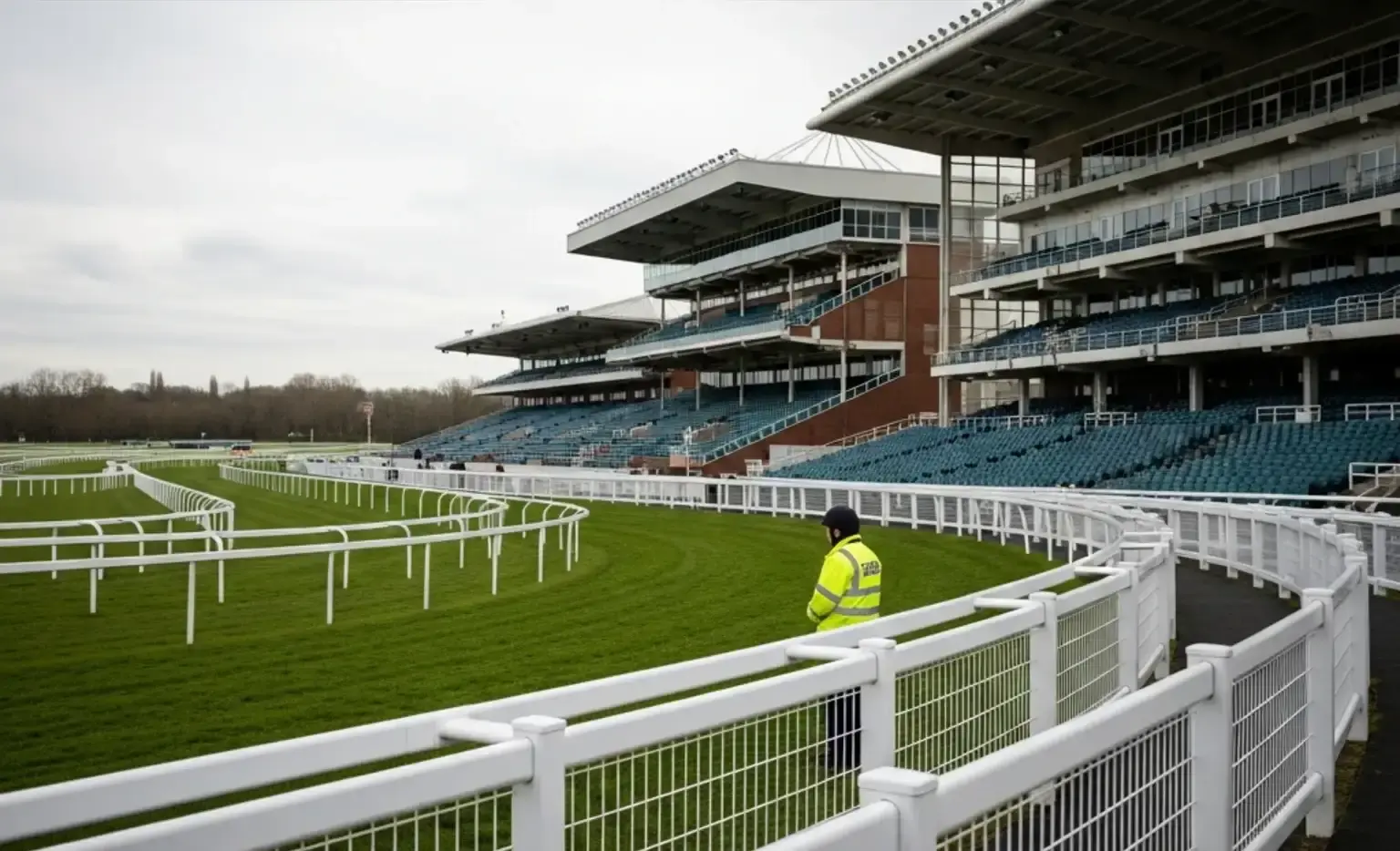
Royal Ascot’s enclosure tiers shape both the spectator experience and the betting environment. The Royal Enclosure is the most restricted, requiring a sponsor and a formal application process; morning suit for men, formal day dress and hat for women, with strict rules on hemlines, hat sizes and fabric weights. The Queen Anne Enclosure – formerly Grandstand Enclosure – is the largest, with smart-dress requirements but no morning-suit requirement. The Village Enclosure offers a more relaxed picnic-style environment with a smart-casual code. The Windsor Enclosure is the most informal and the most affordable, occupying the heath inside the racetrack.
Each enclosure has its own betting infrastructure. The Royal Enclosure features traditional rails bookmakers; the Queen Anne Enclosure has the largest concentration of on-course pitch bookmakers in Britain on any given week of the year. The Tote operates pool windows across all enclosures, and self-service betting kiosks scattered through the public areas serve the casual punter who wants a quick Lucky 15 between the Royal Procession and the first race. The Village and Windsor enclosures see proportionally more multiples and combination bets – typical casual-punter behaviour – while the Royal Enclosure sees a higher concentration of straight win and place bets.
The European Commission, in its State Aid clearance for the Horserace Betting Levy in 2017, put the wider relationship between racing and betting in a single line: in the UK, racing and betting have a unique interdependency that goes back over 200 years, and a day at the races includes, for most participants, betting on horse races as well. Royal Ascot is the cleanest expression of that interdependency anywhere in the British calendar – a meeting where a quarter of a million people come to watch racing across five days and the betting market mirrors the spectator economy almost exactly. The infrastructure is the same scale as the rest of British racing – 59 licensed racecourses delivering £4.1 billion of annual economic value – but Royal Ascot concentrates a meaningful fraction of that scale into a single week. The classification system itself, and what the Pattern Committee does to maintain it, is covered in how the British Pattern works from Group 1 to Listed.