
Non-Runner No Bet (NRNB): Securing Stake Refunds Before Declaration
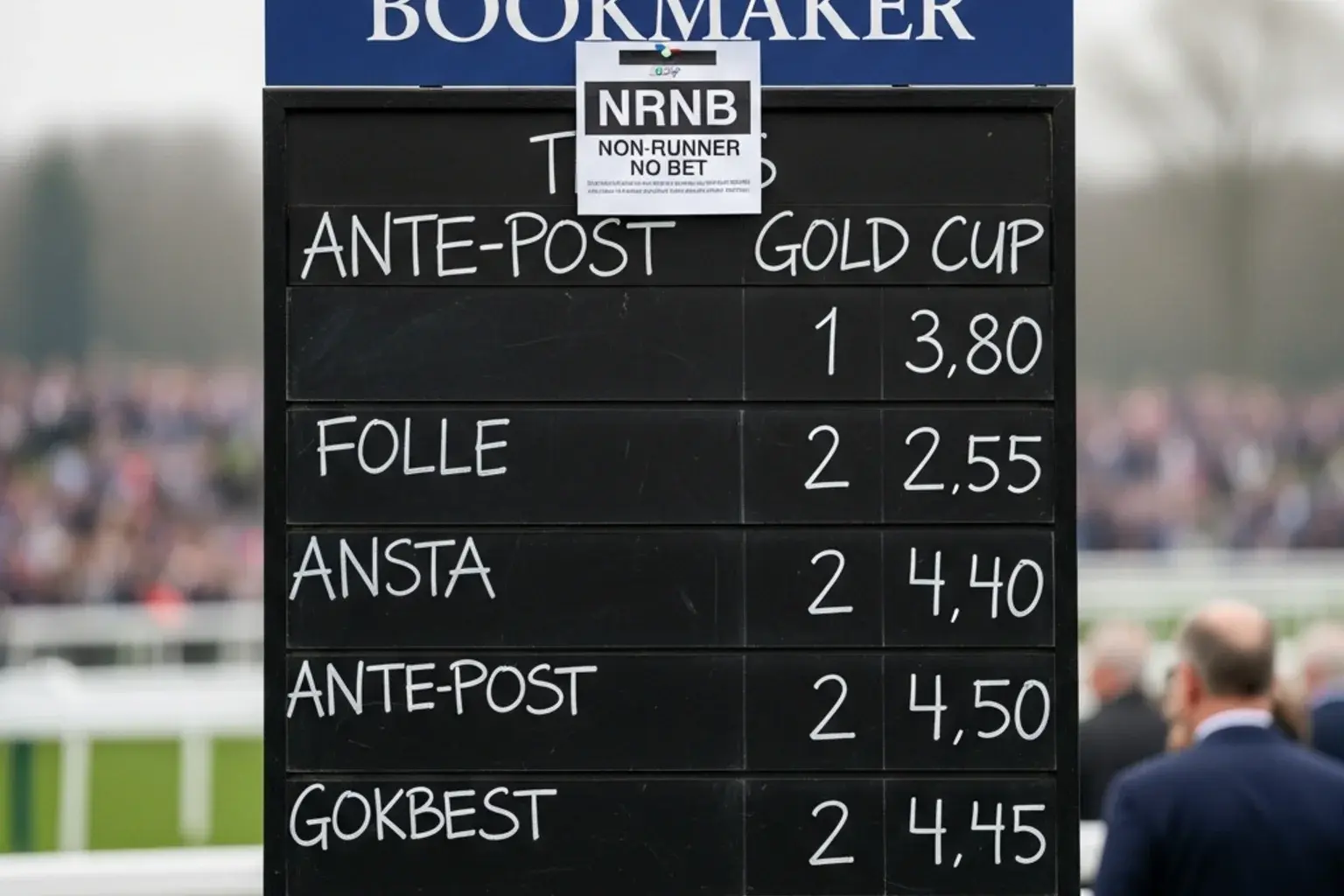
The first time I noticed how much NRNB changes the colour of a market was on the Tuesday morning of Cheltenham 2019. I had a 16/1 ante-post slip on a horse that had broken down in a piece of work the previous Friday, and walked into the betting shop expecting to tear it up. The cashier handed me my stake back and pointed at the small print under the board – non-runner no bet had been declared on the Champion Hurdle the previous day, the horse was a confirmed non-runner, and the stake was refunded. That refund changed everything I thought I knew about ante-post punting and it is worth understanding exactly when those two letters appear and what they really promise.
Non-runner no bet, NRNB on the board, is the British bookmaker’s promise to refund the stake on any horse that fails to run on the day. It applies on the day of the race by default for win and each-way singles in most British racing – the punter wagers, the horse is declared a non-runner at the four-day or 48-hour stage, and the stake is voided. The complication, and the reason this article exists, is what happens before declaration day. On ante-post markets, NRNB is not automatic. The bookmaker decides whether to extend the promise back from the day-of-race default into the weeks and months that precede a festival, and that decision is the single biggest factor separating a good ante-post position from a wasted one.
What NRNB Means on the Day and Why It Is the Baseline
Consider an ordinary Wednesday afternoon card at Worcester. Twelve runners declared 48 hours out, two come out the morning of the race for the vet – the going has changed, one horse is a non-runner on its own ground assessment, the second has a stone bruise. The bookmaker voids all bets on those two horses, refunds the stakes, and applies a Rule 4 deduction to surviving bets on the remaining ten runners. That sequence is non-runner no bet operating as its baseline default, and on day-of-race markets it is so universal that punters rarely read the wording on the slip.
The same default applies to bets struck during morning betting after the overnight declarations have been made. Once the field of declared runners is published – typically 48 hours before the race for jumps and 24 to 48 hours for flat depending on the meeting – the day-of-race market opens. Bets struck on this market are protected by NRNB as standard. The bookmaker is comfortable underwriting the refund because the population of declared runners is small, the rate of withdrawals between declaration and the off is low, and the operator’s exposure is capped at the void stakes plus the Rule 4 adjustments.
This baseline matters because it sets the frame of reference. UK turnover on horse racing has been under sustained pressure – overall sector turnover was down 8% year on year in the most recent annual figures, with broader online betting turnover falling £1.6bn over a two-year window. In a contracting market, the bookmaker’s exposure on the day-of-race book is small, and NRNB is cheap to offer. The customer-acquisition function of NRNB is the bigger driver: it is the most visible reassurance on the betting board, and operators advertise it because the alternative – losing the stake when a horse is withdrawn – is the single most cited complaint among recreational punters. The baseline is therefore the easy part. The interesting questions begin upstream, on the ante-post market, where the bookmaker’s exposure is materially different.
Ante-Post Without the Net
An ante-post bet, in the strict sense, is a wager struck on a race before the final declarations are confirmed – sometimes the day before, sometimes weeks or months ahead, occasionally over a year out on the major spring festivals. The historical contract is that the punter accepts the early price in exchange for accepting the risk that the horse does not run. No declaration, no horse, no refund. Walk into a betting shop in 1985 with an ante-post slip on a horse that fell at the third in a prep race the previous week, and the slip was paper. That was the deal – early price, early risk.
The historical contract still holds on many ante-post markets and on most ante-post bets struck before the bookmaker has declared NRNB. A horse priced 25/1 for the Champion Hurdle in October, eight weeks before the meeting, is generally an ante-post bet without NRNB protection. If the horse breaks down in November, the slip is dead. The punter has bought the early price and accepted the early risk, and the bookmaker prices the market on that basis.
What the modern punter must read carefully is the precise moment NRNB begins. Bookmakers vary. Some declare NRNB on Cheltenham markets from the racecard reveal four to six days before the meeting; some declare from the start of festival week; some declare on a rolling basis as horses are confirmed for individual races. The wording on the board is the contract, and the difference between a 16/1 ante-post price taken on a Sunday and the same 16/1 price taken on a Monday can be the difference between paper and a refund. Read the board, read the small print, and check the date and time of the strike on the slip – these are the unromantic disciplines of ante-post punting and they decide whether the strategy works over a season.
The Cheltenham and Aintree NRNB Tradition
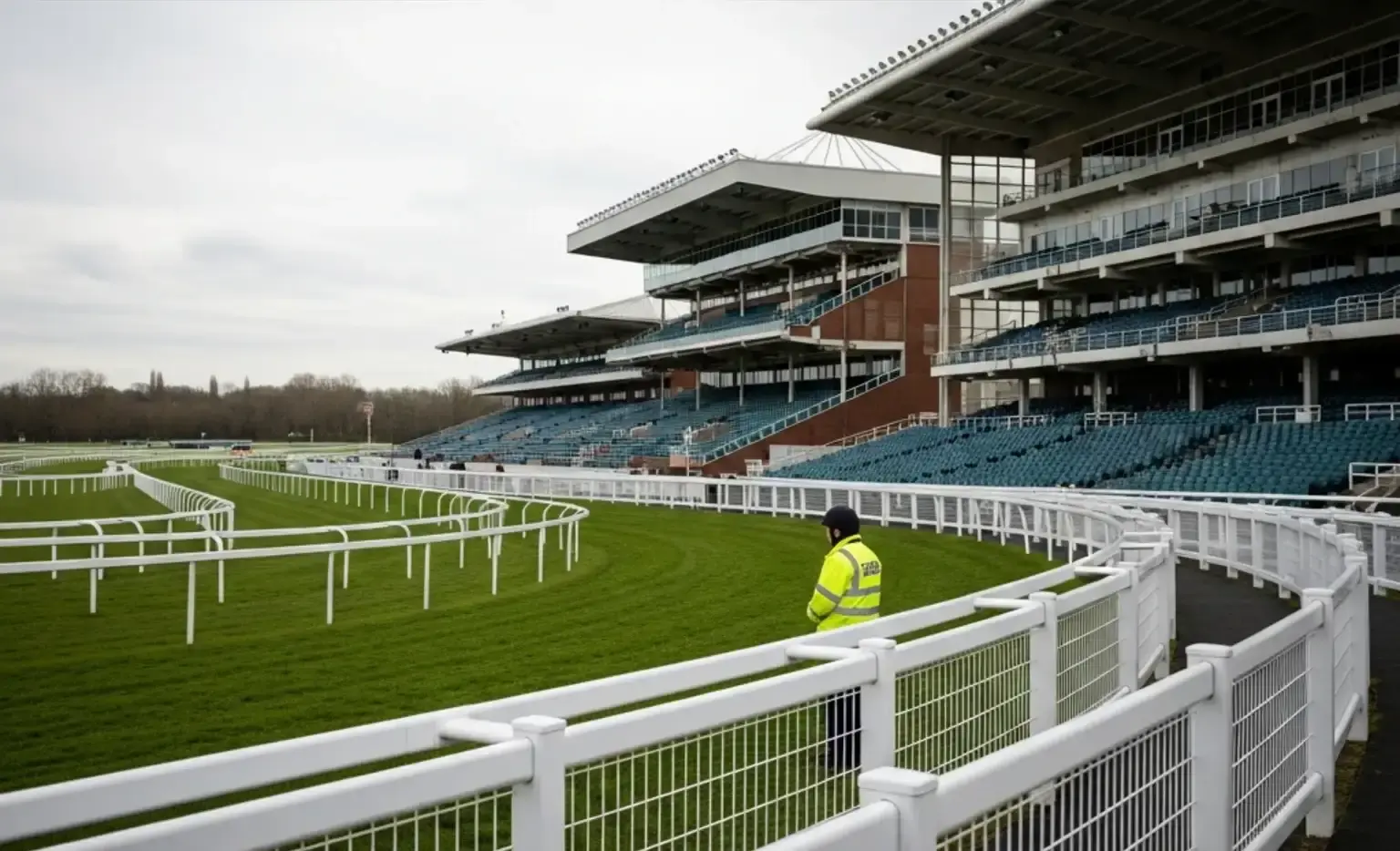
The Grand National at Aintree is the single most important betting race in the British calendar – total betting turnover on the 2025 running was estimated at around £200m across all channels – and the meeting is the showcase for how the NRNB tradition has evolved into a competitive marketing tool. The leading bookmakers compete fiercely on the timing of their NRNB declarations. Operators have at times declared NRNB on the Aintree market as early as the day of the long-list reveal, weeks before the race itself, in an explicit bid for ante-post handle from punters who would otherwise hold off until declaration day for the protection.
Cheltenham follows a slightly different rhythm. The four-day festival schedules the largest races on each day, and NRNB declarations for the Champion Hurdle on Tuesday, the Champion Chase on Wednesday, the Stayers’ Hurdle on Thursday and the Gold Cup on Friday are staggered through the week before the meeting. By the Friday before festival week, the major UK bookmakers have typically declared NRNB on all four championship races. Bets struck from that Friday onwards are protected by the standard NRNB clause; bets struck before that Friday are not, unless the bookmaker has explicitly declared NRNB earlier on individual horses or markets.
The festival tradition matters because it is where ante-post punting is most active and where the protection has the highest commercial value. The connections of championship horses change their plans across the four-day card more often than at any other meeting – a Champion Hurdle entry redirected to the Stayers’ Hurdle on the Monday before the meeting, a Gold Cup hope withdrawn after a working gallop the previous weekend, a novice rerouted between the Supreme and the Ballymore. Each switch creates non-runners in markets that were live for months, and the bookmaker who has declared NRNB pays out the void stakes against a much larger handle than a bookmaker who waits until declaration day to make the same promise.
The wider macro picture matters here as well. The festival’s contribution to the British betting and racing economy is significant – the Cheltenham meeting alone generates a betting handle in the hundreds of millions, with bookmaker, racecourse and broadcast value flowing through to the levy and to the wider rural economy. The competitive logic of declaring NRNB early at the festivals is straightforward: the operator that gets the ante-post handle in early, with NRNB protection, captures market share that the late-declaration operators cannot.
NRNB and the Lucky 15
The interaction between NRNB and multiple bets is where the small print does the most work, and the recreational punter is most likely to misread it. Take a Lucky 15 – the popular four-selection bet covering 15 lines: four singles, six doubles, four trebles and a four-fold accumulator. One of the four horses is withdrawn the morning of the race. NRNB applies, the stake on that horse’s portion of the Lucky 15 is voided, and the remaining lines collapse downward – the doubles involving the non-runner become singles on the other selection, the trebles become doubles, and the accumulator becomes a treble. The bet does not die; it shrinks.
That is the standard treatment and most bookmakers apply it automatically. The complication arises when more than one horse on the multiple is a non-runner, or when the non-runner is ante-post and NRNB has not yet been declared on the relevant market. In the second case, the bet on that horse is not voided – it loses, because the horse did not run and the punter accepted the ante-post risk when the bet was struck. The Lucky 15 then has only three live selections, the bookmaker treats the non-runner line as a loser, and the bet collapses around it. The same logic applies to Yankees, Patents, Heinz combinations and the longer accumulators that the casual punter rarely scrutinises.
The discipline is to read the slip when it is struck. If the multiple includes ante-post selections and the small print does not explicitly extend NRNB to those legs, the punter is carrying ante-post risk on those legs even though the rest of the bet is day-of-race. Festival multi-day multiples – Cheltenham four-folds, Aintree five-folds, Royal Ascot Tuesday-to-Saturday accumulators – are especially exposed because the early legs are protected by NRNB but the later legs may still be ante-post at the moment the bet is placed.
What This Means at the Window and on the App
The practical takeaway for the British punter is short and unromantic. Three habits cover almost all the value. First, take the time to read the NRNB wording at the top of the board or the bottom of the betslip – the difference between protected and unprotected is two lines of small print. Second, mark the date and time when NRNB is declared on each major festival market and time the strikes accordingly – many of the best ante-post prices appear in the 24 hours immediately before NRNB is declared, and most of the risk on those prices is the risk of the horse coming out before the protection begins. Third, treat ante-post multiples with caution and keep ante-post legs and day-of-race legs in separate bets where possible – the alternative is carrying ante-post risk on bets that look protected and finding out the hard way which legs really had the net underneath them. The contract between the punter and the ante-post market is more nuanced than most punters realise – a fuller treatment of the early-price economics is set out in how British ante-post betting works on early prices and futures.