
Cheltenham Festival Terminology: Jump Racing Categories and Markets
The first Cheltenham I worked was a long time ago, and I still remember the feeling of trying to follow a conversation in the press room on the Tuesday morning. People were talking about bumpers, Pertemps qualifiers, novice handicap chases over two miles five furlongs, and which of the Irish raiders had been the subject of a serious gamble. Half the words I knew, half I did not, and the half I knew meant something different from what I had learned watching the flat. By the Thursday I had a notebook full of definitions and a slight panic about ever explaining any of it to anyone in print.
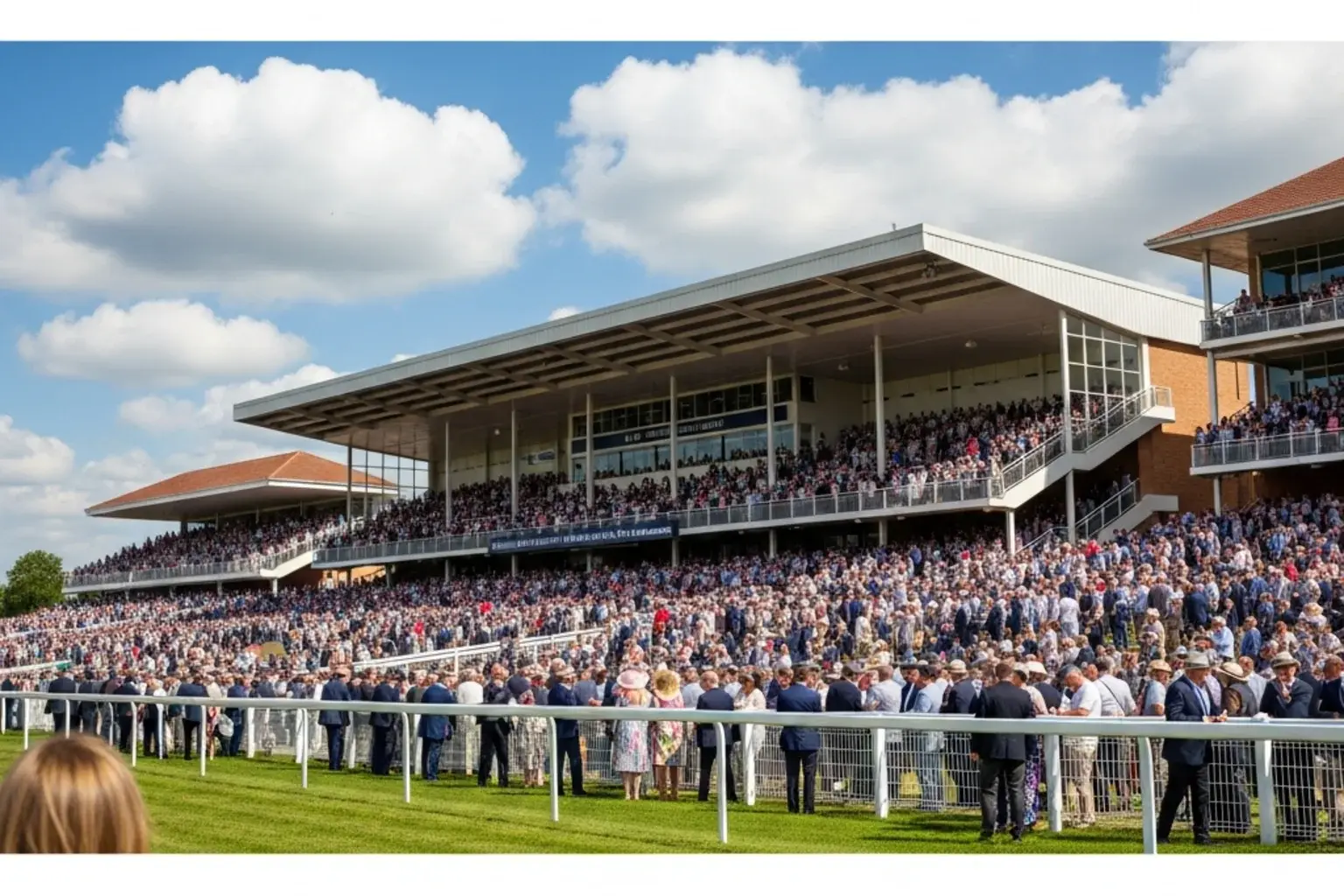
Cheltenham is the biggest jumps festival of the year, and its vocabulary is its own dialect. It overlaps with the flat in maybe a fifth of its terms. The rest – the Bumper, the Pertemps, the Coral Cup, the handicap-versus-Pattern arithmetic that drives every ante-post market – is specific to jumps racing in March, at Prestbury Park, in front of seventy-thousand-plus people a day. If you only watch one festival a year and want the language sorted before the off, this is the article I wish someone had handed me twenty years ago.
Securing value for the March festival often requires a deep understanding of ante-post betting rules and risks months in advance.
The Four-Day Shape and What Each Day Is For
Cheltenham runs Tuesday to Friday in the second week of March, and the four days have established personalities that the betting markets follow religiously. Tuesday is Champion Day, opening with the Supreme Novices’ Hurdle – traditionally the loudest first race in British sport – and building to the Champion Hurdle as the headline 3.30. Wednesday is Ladies’ Day, headlined by the Queen Mother Champion Chase, the two-mile chasing championship and statistically the day’s most strongly backed race outside the Gold Cup itself. Thursday – St Patrick’s Day in the racing calendar – leans Irish, with the Stayers’ Hurdle (still called the World Hurdle by anyone over thirty) as the centrepiece. Friday is Gold Cup day, the staying chase championship of the National Hunt code, and the focal point of the entire jumps season.
The scale that makes this vocabulary worth learning shows up in the betting data. In 2025 all 28 races of the Cheltenham Festival fell within the top 31 most-bet races of the entire year in Britain – there is no other meeting in any sport in the UK with that density. The market depth means every term you are about to read carries real money behind it. Each race attracts books from every major bookmaker, with markets opening weeks ahead and antepost prices shifting on stable hints and gallop reports. The bookmaker William Hill has forecast around £450 million to be wagered across the four days of the 2026 festival, framing it as the most bet-on racing festival of the year and a hugely important week for the firm.
The structural reason the festival is so dense is that the BHA’s Pattern Committee and Cheltenham’s planners pack every championship race into the same four days, plus a layer of handicap consolation races for horses just short of the top class. There is no Cheltenham warm-up week, no Cheltenham coda. It is one block, every March, and the betting vocabulary built around it has had decades to compress into shorthand.
The Signature Races and What Their Names Actually Mean
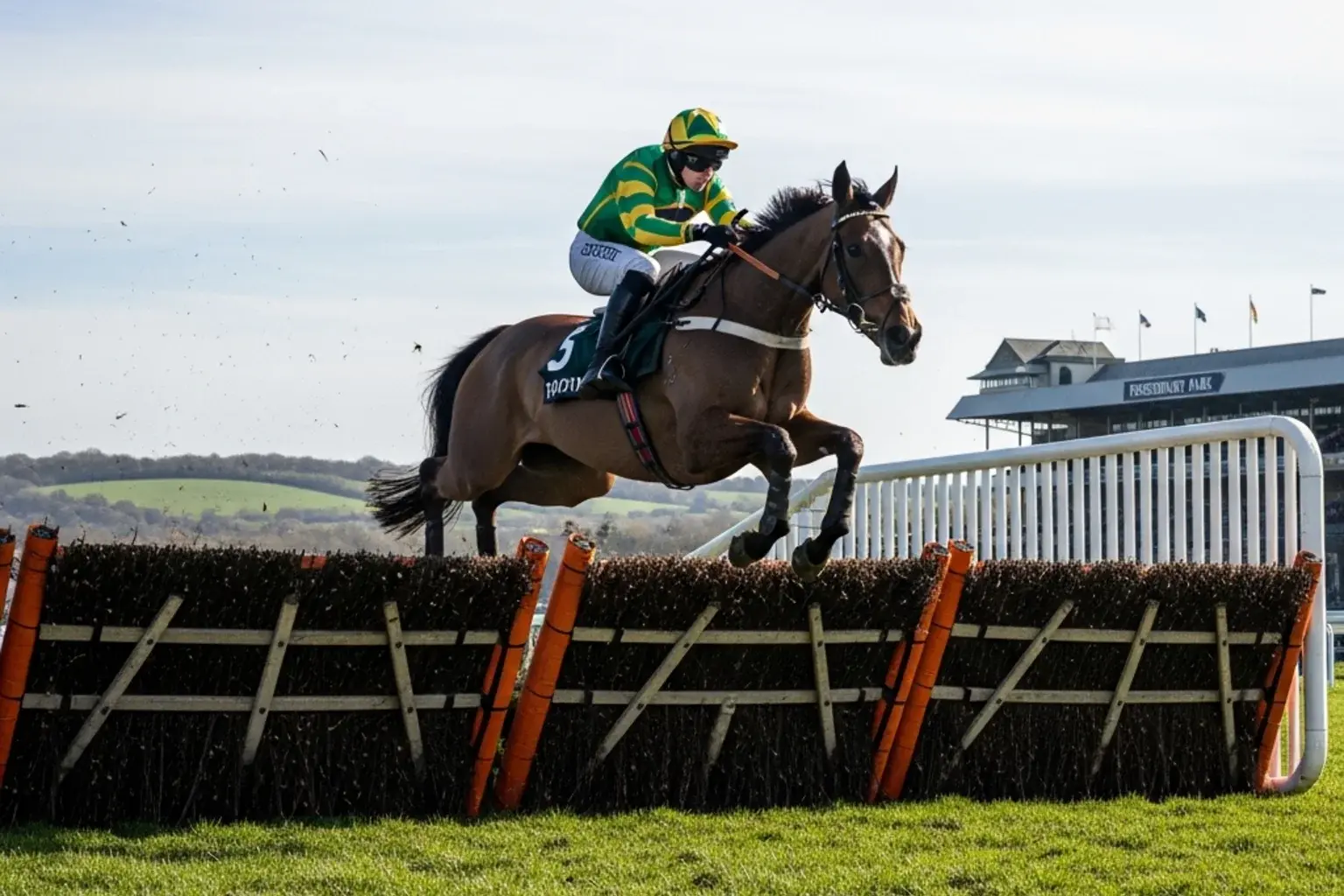
Five races define the Cheltenham vocabulary, and each has its own market language. The Supreme Novices’ Hurdle is the festival’s traditional opener – a two-mile-half-furlong hurdle for novice horses, framed as a championship for first-season hurdlers. Markets shape around it for weeks, and a winning Supreme often goes on to be a Champion Hurdle contender twelve months later. The Champion Hurdle on the same day is the two-mile-flat hurdling championship of the world – winners join a roll call that includes Istabraq, Hardy Eustace, Honeysuckle, Constitution Hill. Each year’s renewal sees the previous year’s winner defending against the best of the next generation, and the market language reflects that lineage: the betting talks of dynasties, defences, comebacks.
The Queen Mother Champion Chase on Wednesday is two miles over fences, run at a pace that strips the field down to a small handful by halfway. Its market language emphasises speed and accuracy of jumping rather than stamina. The Stayers’ Hurdle on Thursday is the long-distance hurdling championship at three miles, with markets that swing on going more dramatically than the shorter races because the difference between good and heavy at three miles in March is a matter of two or three lengths a furlong on most horses.
The Gold Cup itself, on Friday, is three miles two and a half furlongs over fences, run on whatever ground March has produced – usually somewhere between soft and heavy. The betting term Gold Cup form has its own meaning: a horse with Gold Cup form is one whose stamina, jumping and class have been tested against the championship distance, and the term carries genuine market weight. Outside the championships sit the festival’s signature handicaps – the Coral Cup, the Pertemps Final, the County Hurdle, the Plate, the Kim Muir, the Grand Annual, the Cross Country and the Foxhunter – each with its own qualification quirks and its own breed of ante-post specialists.
Bumpers, NHF and the Curious Race Type That Made Sense
A Bumper is a National Hunt Flat race – that is what NHF stands for – and it is one of the few terms in the Cheltenham vocabulary that confuses absolutely everyone the first time they meet it. The race is run on the flat, on jumps cards, for horses that will later go on to be hurdlers and chasers. No obstacles, no jumps, just two miles or so on the flat for inexperienced National Hunt-bred horses. The name Bumper comes from the rule that originally restricted the rides to amateur jockeys, who tended to bump along somewhat less elegantly than the professionals.
The Cheltenham festival has the Champion Bumper on Wednesday, the most prestigious NHF race in the calendar, and the betting term Bumper form has become a useful market signal. A horse that wins a Cheltenham Bumper is, statistically, very likely to be a serious novice hurdler the next season. The market prices reflect that – Champion Bumper winners are usually short-odds favourites for the Supreme Novices’ Hurdle twelve months later, regardless of what they have done in the intervening summer. The Bumper is the festival’s recruiting race for its own future, and the language has become slightly self-referential because of it.
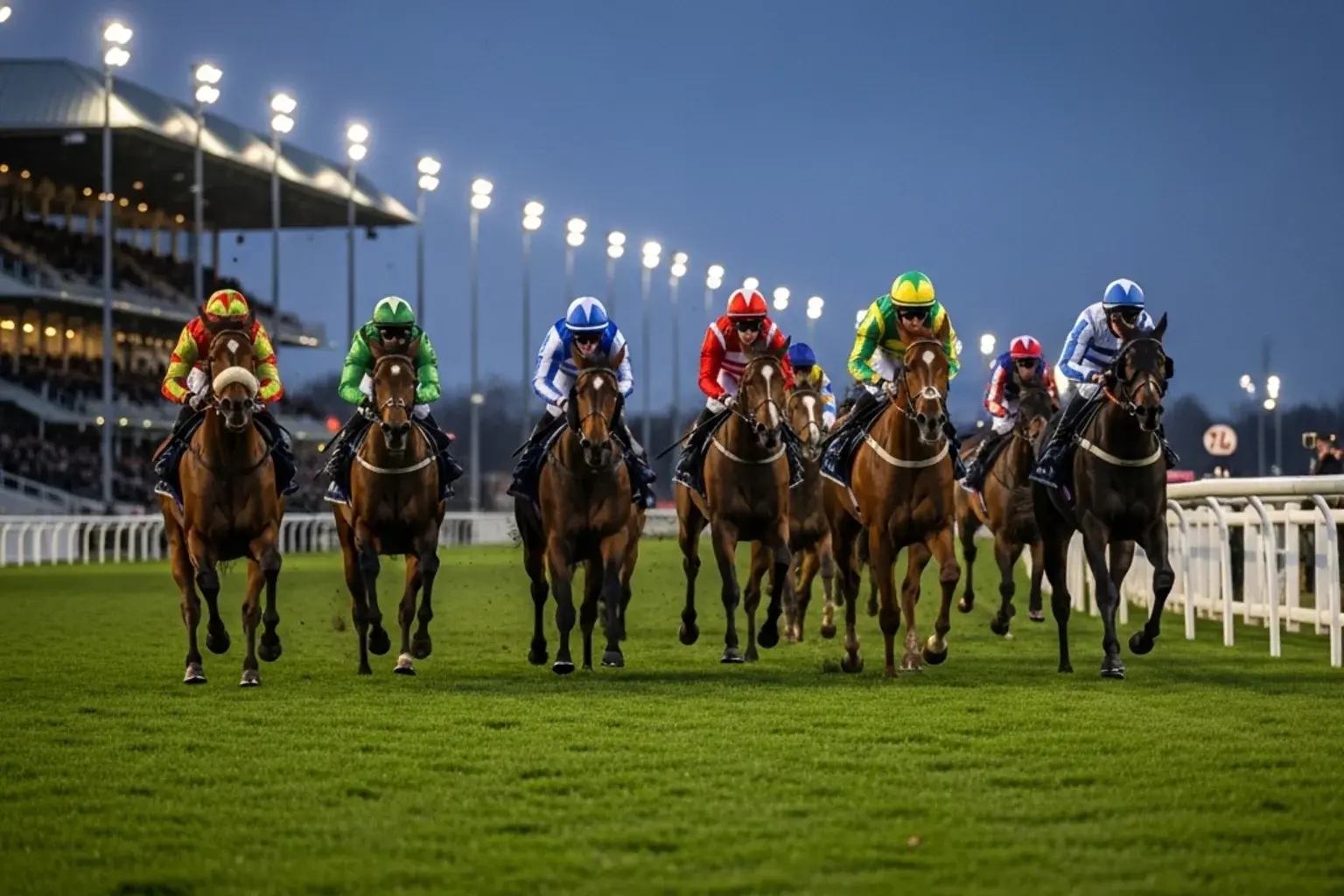
Practical betting language around NHF races: most run with very large fields – twenty-plus is normal at Cheltenham – and each-way prices typically pay four places at the festival even when normal field rules would say three. The race types are flagged on the racecard simply as NHF, and the form lines show no jumping figures, only flat finishing positions. Anyone arriving at jumps racing from the flat will recognise the format immediately, which is part of why the Bumper has become the gateway race for new National Hunt fans.
Master the vocabulary of the jumps season with Racing Betting Terms to stay ahead of the market.
The Going at Prestbury Park, in Plain Words
Cheltenham’s going descriptions get called Heavy more often than almost any other course in Britain, and that is not a quirk of the official going stick – it is a function of the time of year and the local geography. The festival runs in mid-March, the wettest fortnight of the spring on the Cotswolds, with snowmelt off Cleeve Hill draining straight into the running rail’s drainage system. Even in a dry March, the ground tends to ride softer than the official going reading suggests. The local term for this is jumping in dead ground – meaning the surface looks fine in the morning but rides like glue by the afternoon.
The market consequence is real: stamina horses are reliably overpriced at the festival in any going from good-to-soft downwards, and front-runners shorten in the betting on heavy days because the form book says you cannot make late ground over three miles in the mud. Most experienced festival punters check the official going stick reading, then check the rainfall forecast for the previous 48 hours, then check the trainer interviews on the morning of the race to see which horses are described as needing a sound surface. Three readings, one decision. The relationship between going and race type is the engine of every Cheltenham market, and it interacts directly with the jumps-versus-flat distinction I cover in National Hunt and flat racing’s two betting languages. Festival betting without an understanding of going at Prestbury is essentially flying blind.