
BHA Premier and Core Fixtures: The Two-Tier UK Racing Calendar
I remember the first weekend in 2025 when the Premier and Core split actually showed up in my Saturday morning routine. The card I’d planned to play was suddenly tagged Premier on the racing app – extra prize-money flag, ITV slot, the works – while the Wednesday meeting I’d intended to play across had been quietly demoted into the Core tier. Same horses, same trainers, same physical racecourses. Different commercial classification, different broadcast exposure, different operational reality. That was the first weekend the two-tier reform stopped being a piece of trade-press governance news and started being something that changed how the week actually looked from a punting perspective.
The Premier and Core split was the most significant structural reform to the British racing fixture list in a generation. The reform was rolled out for the 2024-2025 fixture year and represented the culmination of three years of consultation, modelling, and political negotiation across the BHA, the racecourse operators, the broadcasters, the betting industry, and the wider racing stakeholders. The objective was to address the long-running structural concerns about the British racing calendar – the dilution of quality across too many fixtures, the broadcast scheduling problem that left racing fighting for slots, and the commercial logic of concentrating prize-money pots where they could move the needle.
This article walks through the two-tier overhaul as it actually operates – the structural logic of the reform, the criteria that determine which fixtures qualify as Premier, the economic reality of the Core tier that holds up the wider operational programme, and the Q1 2025 turnover numbers that have framed the early debate on whether the structure is delivering. The framing is from the perspective of the punter who watches the calendar move through the year rather than the boardroom that designed it.
The Two-Tier Overhaul
The structural logic of the Premier and Core split is straightforward in concept and intricate in operational detail. The BHA’s fixture committee identified that British racing was running too many fixtures of broadly similar commercial weight and that the result was a flat distribution of prize money, broadcast exposure, and field quality across the year. The flat distribution made it harder for the sport to compete for broadcast slots and harder for individual meetings to command the prize-money pots that attract the best horses. The two-tier reform was the response – concentrate the commercial firepower on a smaller number of high-quality fixtures and leave the wider operational programme to run on a more standardised basis below.
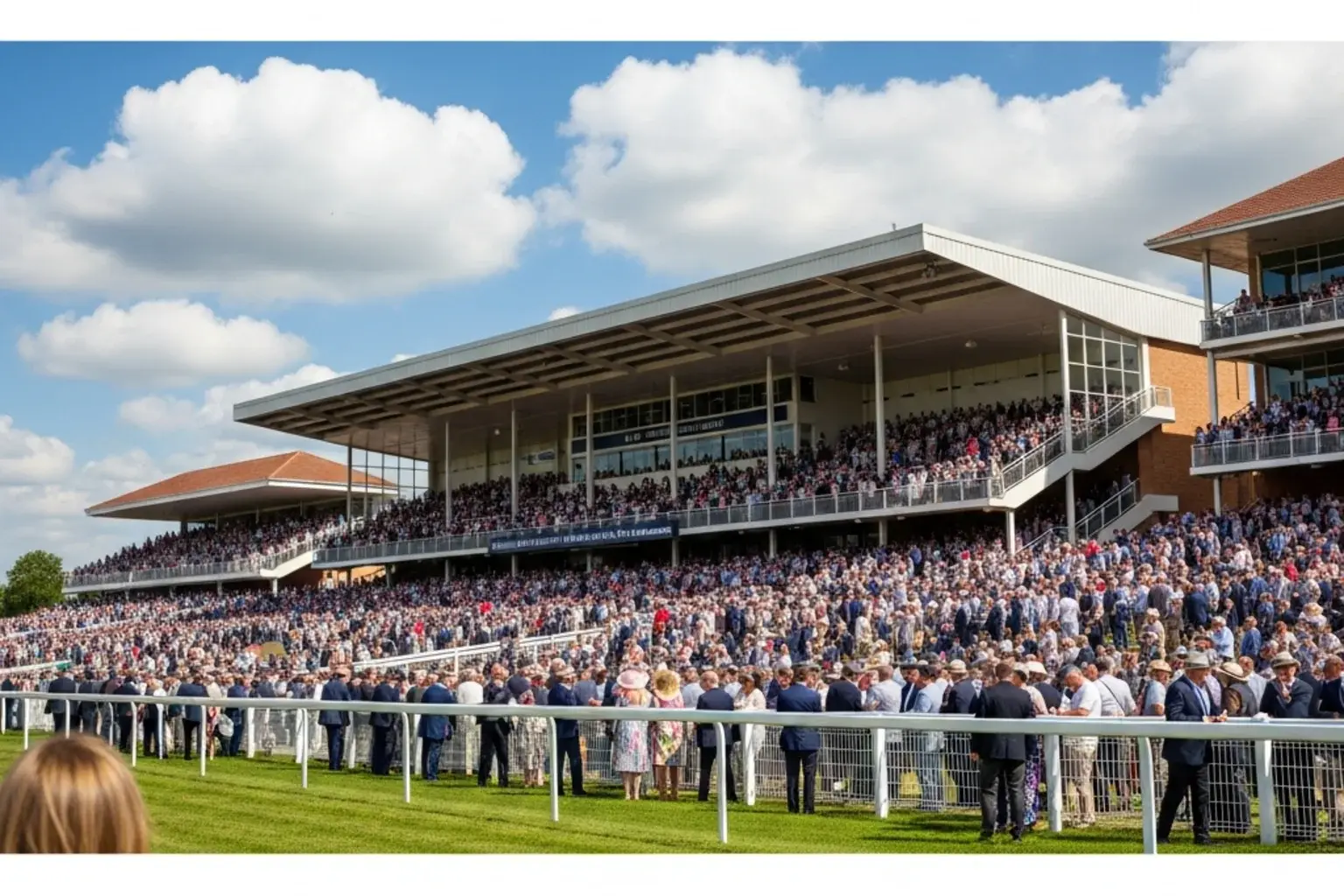
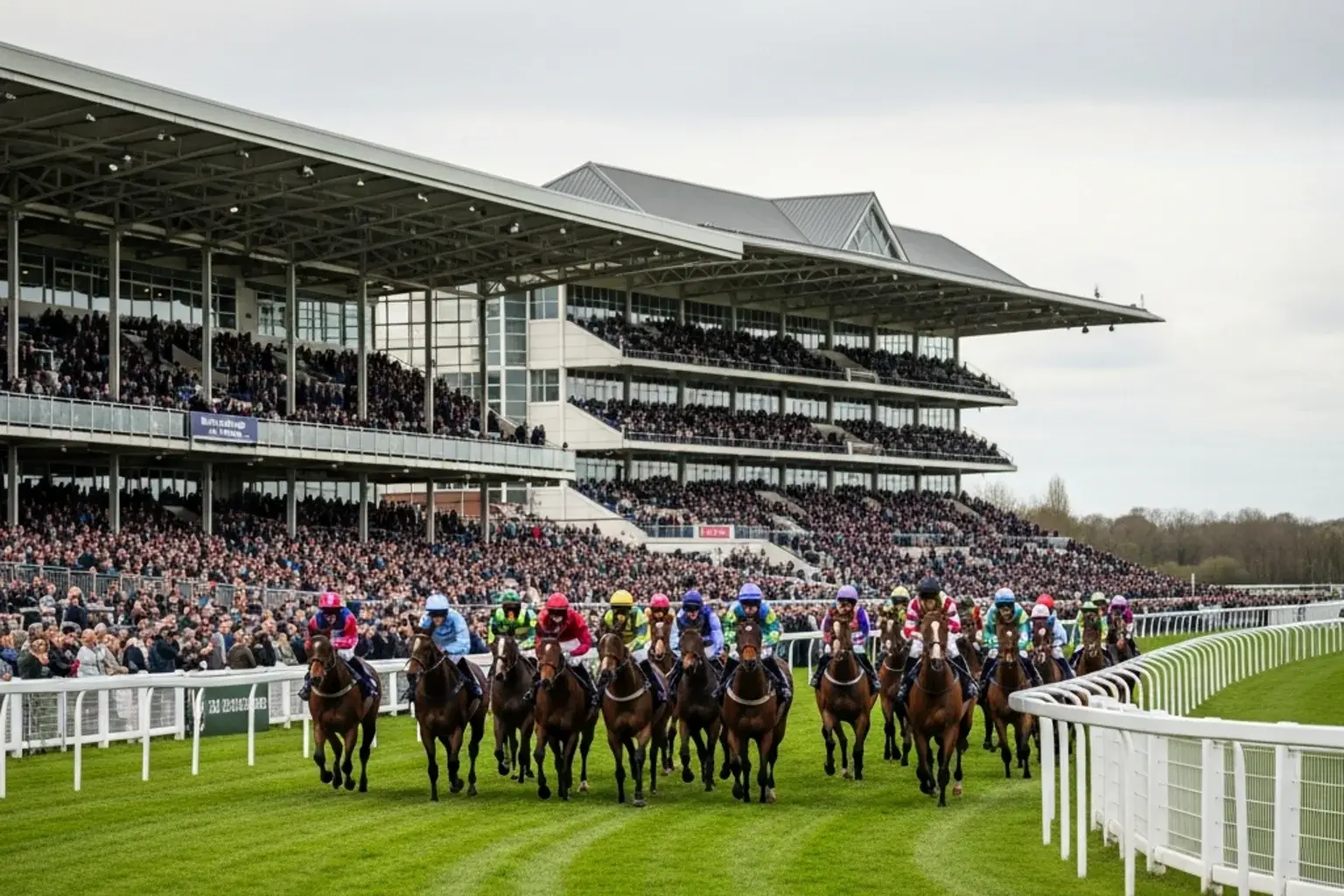
The Premier tier was constructed around the fixtures that already had natural commercial weight – the Saturday flagship meetings, the major festival days at Cheltenham, Aintree, Royal Ascot, Goodwood and York, the Classics, and a set of Sunday Premier fixtures that the reform deliberately introduced as a broadcast counterweight to weekend football. The Premier tier ran to around two hundred fixtures across the year in the first iteration, with each Premier fixture committing to enhanced prize-money minimums, broadcast partnership obligations, and a range of operational enhancements to the racecourse experience.
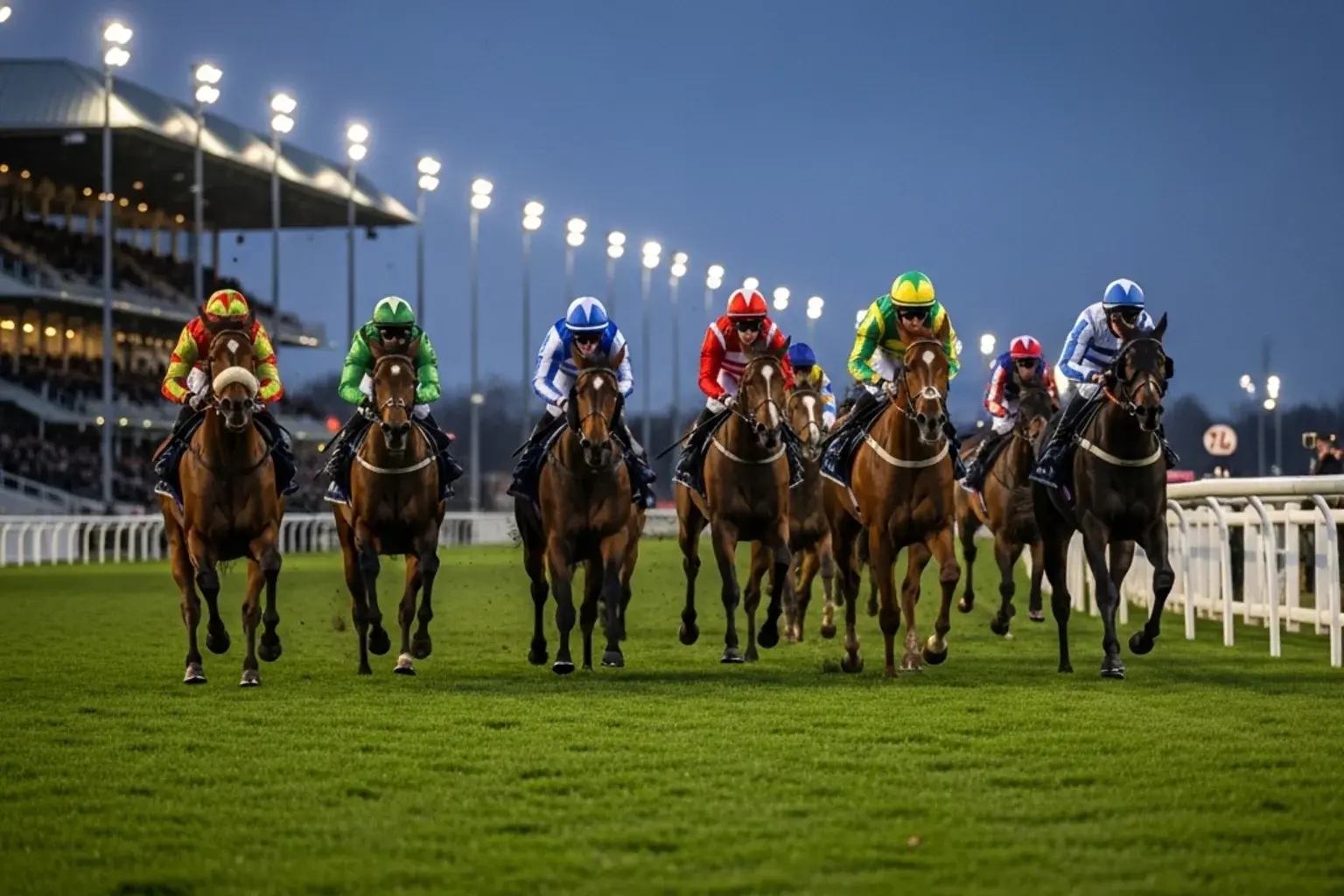
The Core tier captured the wider operational programme – the Tuesday, Wednesday and Thursday cards at the smaller courses, the all-weather midweek meetings at Lingfield, Wolverhampton, Newcastle, Southwell, Chelmsford and Kempton, the wider summer evening programme that the regional courses run through May to September, and the bank-holiday cards that fill the calendar around the Premier festivals. The Core tier ran to around twelve hundred fixtures in the first year of the reform, and the operational and commercial standards for Core fixtures were calibrated to be lower than the Premier tier – lighter prize-money minimums, no requirement for ITV-tier broadcast slots, and a more standardised approach to the on-course operational offer.
The reform was contested. The smaller racecourses were nervous about being relegated to the Core tier with the implied lower commercial weight. The trainers were divided between those who run horses good enough to chase Premier prize-money pots and those whose horses run mostly in the Core programme. The broadcasters were broadly supportive. The reform was implemented over the objections of some of the smaller stakeholders, and the early operational year has been a test of whether the structural logic holds in practice.
What Makes a Fixture Premier
The Premier fixture criteria are operationally specific. A Premier fixture commits to enhanced prize-money minimums that vary by fixture grade and by season, but in practical terms run from around £200,000 for a standard Saturday Premier meeting up to several million pounds for the major festival days. The prize-money commitment is the headline criterion and the one that most clearly signals the commercial weight of the Premier tier – Core fixtures typically run to between £40,000 and £100,000 in total prize money, so the gap between the tiers is operationally material.
The broadcast criterion sits alongside the prize-money commitment. Premier fixtures are scheduled into the ITV Racing weekend slots, the Sky Sports Racing flagship slots, and the wider broadcast partnership arrangements that the BHA has negotiated with the major broadcasters. The ITV Racing Saturday card is the most visible Premier-tier output and it carries a standing slot for the season’s major Premier meetings. The Premier tier’s broadcast guarantees are what give the tier its public-facing visibility, and the broadcast partnership is the most commercially significant component of the Premier-tier proposition.
The field-quality criterion is the third operational dimension. Premier fixtures run with enhanced eligibility and rating thresholds for the headline races – the Class 1 listed and Group races at the major festivals, the Class 2 conditions races at the Saturday Premier meetings, and the Class 3 handicaps that fill out the Premier card structure. The rating thresholds are set to draw the higher-rated horses to the Premier fixtures and to concentrate the field quality where the commercial weight of the meeting can sustain it. The thresholds are operationally enforceable through the eligibility rules and through the trainer-side incentives that the prize-money structure creates.
The on-course experience criterion is the fourth and softer dimension. Premier fixtures commit to enhanced operational standards on the racecourse side – the hospitality offer, the food and drink provision, the on-course entertainment around the racing, and the wider customer-experience proposition. The on-course criteria are less rigidly enforced than the prize-money and broadcast criteria, but they form part of the Premier-tier proposition that distinguishes the higher-tier meetings from the wider Core programme.
The Core Tier and Its Economics
The Core tier is the operational backbone of British racing and the part of the calendar where the sport’s wider participant base actually does most of its work. The Core programme runs to around twelve hundred fixtures across the year and covers the racing that fills the calendar between the Premier festivals – the midweek racing at the smaller courses, the all-weather programme that runs almost continuously through the winter, the summer evening programme that sustains the regional courses, and the bank-holiday cards that fill the wider operational schedule.
The economic reality of the Core tier is more constrained than the Premier tier. Core fixtures typically run to between £40,000 and £100,000 in total prize money, with the lower-grade fixtures running closer to the £40,000 minimum and the higher-grade Core fixtures running closer to £100,000. The prize-money pots are constructed around the BHA’s contribution from the Levy distribution, the racecourse’s own commercial contribution from the meeting, the sponsorship contributions from the operators and other commercial partners, and the appearance-money arrangements that some courses use to incentivise field quality. The construction of the prize-money pot for a Core fixture is operationally similar to that of a Premier fixture but with proportionally lower numbers at every line.
The Core tier’s broadcast position is also more constrained. Core fixtures are typically broadcast on Sky Sports Racing under the standing commercial arrangement that covers the wider midweek programme, with a small number of Core fixtures occasionally picked up by the ITV Racing midweek slot when the editorial fit works. The Sky Sports Racing broadcast carries the operational weight of the Core programme and gives the tier its standing visibility for the in-shop and online betting markets. The Core tier’s broadcast position is operationally adequate but it is not what drives the wider commercial proposition of British racing – that work falls to the Premier tier.
The Core tier’s commercial position was tested hard in 2025. The Q1 2025 Quarterly Racing Report showed Core fixture betting turnover down 14.4% year-on-year compared with the same period in 2024, while the Premier fixture turnover was broadly flat. The differential between the two tiers was the headline finding of the Report and it raised serious operational questions about whether the Core tier was being adequately supported by the structural reform. The Core tier’s economics depend on the betting turnover that the Core fixtures generate – the Levy contribution, the racecourse media-rights income, and the racecourse’s own commercial income from the meeting – and a 14.4% turnover decline on the Core programme has direct consequences for the operational sustainability of the wider regional racecourse estate.
The Core tier’s defenders point to the structural pressures on the wider betting market – the affordability framework’s compression of high-stakes punter behaviour, the offshore migration that has taken £1.6bn of online turnover off the licensed market over the last two years, and the wider competitive pressure from non-racing betting products – and argue that the Q1 2025 Core decline reflects market pressures rather than failures of the Premier and Core structure. The critics argue that the structure itself has concentrated commercial attention on the Premier tier at the expense of the Core programme and that the Core decline is partly a consequence of the structural reform itself. The debate is ongoing and the Q3 2025 update showing a moderation of the wider turnover decline to 4.2% has not closed it.
Where the Turnover Falls
The geographical and operational distribution of the turnover decline is the part of the Premier and Core debate that matters most for the wider racing economy. The decline has not fallen evenly across the British racecourse estate – the regional courses that run mostly Core fixtures have borne the larger share of the decline, while the major Premier-festival courses have been more insulated. The differential implies that the structural reform has redistributed commercial weight in ways that the original modelling did not fully anticipate, and the operational consequences of the redistribution are working through the racing economy in real time.
The prize-money distribution data from the BHA tells the same story from the other side. The £153m total prize-money pot for British racing in 2025 was broadly maintained at the headline level, but the grassroots component – the lower-tier handicaps and maidens that fill the Core programme – was down £3.6m year-on-year. The grassroots decline is the operational consequence of the Premier-tier concentration of prize money: the headline pot held up because the Premier festivals delivered their commitments, but the wider Core programme lost ground on its prize-money proposition because the levy and the racecourse commercial contributions to the Core pots were under pressure from the turnover decline.
The longer-term question for the Premier and Core structure is whether the redistribution of commercial weight to the Premier tier can be sustained while the Core tier is allowed to adjust to its more constrained economic position. The detailed numbers behind the prize-money distribution are the operational evidence base for the wider debate, and they are explored in where the £153m of British racing prize money actually goes in 2025-2026.